
Fire detection and alarm
Early, accurate warning, and the response it sets in motion.
WATERWEB designs, installs, integrates and maintains conventional and analogue addressable fire alarm systems, specialist detection for high-ceiling and harsh environments, and linear heat detection for cable galleries, conveyors and tunnels.
Overview
Every minute of early warning buys time to evacuate, to intervene and to limit loss. A fire detection and alarm system provides that warning, and in a modern building it also coordinates the wider response: shutting down air handling, closing dampers, homing lifts, releasing doors and initiating suppression.
Reliability cuts both ways. A system must respond to a genuine fire without fail, yet unwanted alarms erode confidence and disrupt operations. Choosing the right detection technology for each space, commissioning it carefully and maintaining it with discipline is what separates a trusted system from one that occupants learn to ignore.
70%
of false alarms attended by UK fire and rescue services in 2024–25 were caused by fire alarm apparatus, underscoring the value of correct detector selection and maintenance.
How it works
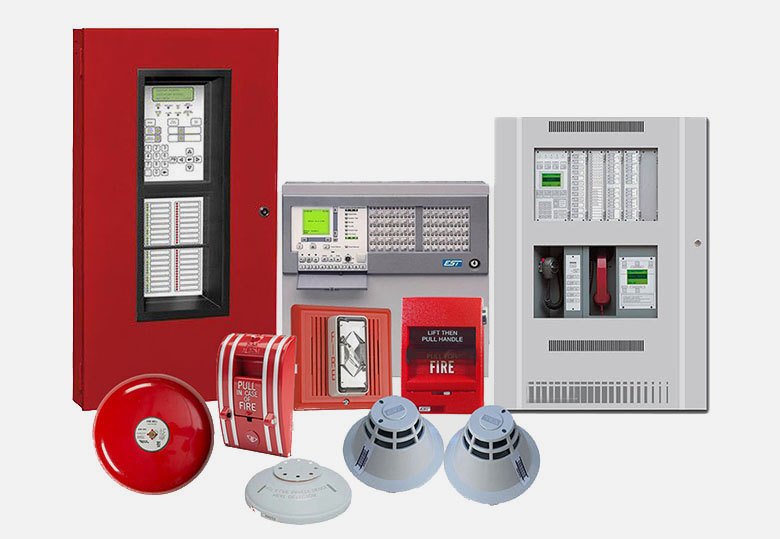
Detectors continuously monitor their surroundings for smoke, heat or flame and report to the control panel. In an addressable system every device carries its own address, so the panel identifies the precise location of an alarm. Analogue addressable detectors go further, transmitting continuous readings that allow the panel to compensate for contamination and flag devices needing attention before they cause a false alarm. On confirmation of a fire, the panel sounds evacuation signals, alerts the fire service or monitoring station and executes a pre-programmed cause-and-effect matrix.
Key components
- Control and indicating panel
- Processes signals, indicates location, drives outputs and manages standby power.
- Automatic detectors
- Optical smoke, heat, multi-sensor, flame, beam and aspirating types, selected space by space.
- Manual call points
- Allow occupants to raise the alarm directly.
- Sounders, strobes and voice evacuation
- Alert occupants, including in high-noise plant areas.
- Interface modules
- Monitor sprinkler flow and valve switches; control fans, dampers, lifts and doors.
- Loop isolators
- Contain wiring faults so that a single short circuit cannot disable a loop.
- Linear heat detection
- Continuous heat sensing along cable trays, conveyors and tunnels.
Configurations
| Type | Application |
|---|---|
| Conventional | Zoned systems suited to smaller premises with simple layouts. |
| Analogue addressable | Device-level identification and drift compensation for larger or more complex buildings. |
| Aspirating smoke detection | Very early warning for data centres, clean rooms and high-value spaces. |
| Flame detection | Infrared and ultraviolet detection for turbine halls, fuel handling and oil areas. |
| Beam detection | Large, high-ceiling spaces such as warehouses and atria. |
| Linear heat detection | Digital or fibre-optic sensing cable for long, harsh or inaccessible routes. |
Engineering considerations
Detector selection
Each space assessed for fire type, ceiling height, airflow and environmental contaminants.
Coverage and spacing
Detector positions set to the coverage limits of IS 2189, and NFPA 72 where specified.
Zoning and search distance
Zones arranged so that responding staff can locate an alarm quickly.
Cause-and-effect
A documented matrix defining every output, tested in full at commissioning.
Audibility
Sounder levels verified above background noise, including plant rooms and sleeping areas.
High ceilings
Beam or aspirating detection where point detectors cannot perform reliably.
Typical applications
- Most commercial, institutional and high-rise buildings
- Industrial facilities and warehouses, depending on occupancy
- Cable galleries, conveyors and tunnels, using linear heat detection
- As the initiating system for gas suppression and deluge installations
Requirements by occupancy and height are set out in NBC 2016, Part 4.
Scope of delivery
Design
Detector selection, zoning, cable routing and cause-and-effect matrix.
Installation
Control panels, detectors, call points, sounders and interfaces.
Integration
Interfaces with lifts, air handling, fire pumps, access control and suppression.
Commissioning
Every device tested and recorded, with as-built drawings.
Maintenance
Detector testing, cleaning and standby battery checks.
Owner responsibilities
Most inspection findings trace back to simple checks missed between service visits. The items below fall to the owner; every WATERWEB maintenance report adds the checks specific to the site.
- Never leave the panel silenced or in a fault condition
- Remove detector covers on completion of any works
- Test one call point weekly, on rotation
- Record every alarm, including false alarms
- Replace standby batteries as scheduled
- Notify WATERWEB of new partitions or false ceilings
Industries served
View projects
Commercial and residential buildings
Offices, residential towers, hotels and hospitals that must hold a fire no-objection certificate.

Data centres and IT
Server rooms, data centres and technology campuses.
Power and utilities
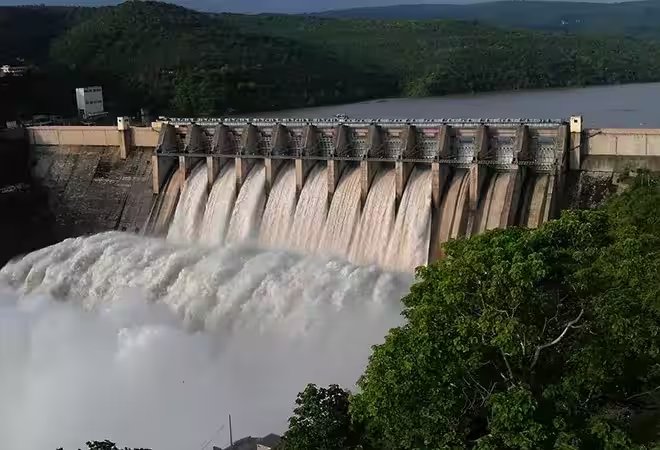
Hydroelectric and thermal generating stations, substations and transformer yards.
Frequently asked questions
Conventional or addressable?
Addressable systems identify the exact device that has operated, accelerating response and reducing the time spent locating false alarms. They suit larger buildings; conventional systems remain appropriate for smaller premises.
What causes false alarms?
The most common causes are dust, steam, construction activity and detectors unsuited to the space. WATERWEB investigates and resolves the root cause rather than disabling devices.
What is linear heat detection?
A sensing cable that detects heat at any point along its length. Fibre-optic versions can monitor several kilometres from a single controller and pinpoint the location of a hot spot.
Planning a new facility, or assessing an existing system?
A WATERWEB engineer will review your drawings or survey the site, assess it against the governing code and set out recommendations in writing.